

Weight Loss and Lower-Carb Diets: How to Make Sure They’re Balanced
Weight Loss and Lower-Carb Diets: How to Make Sure They’re Balanced
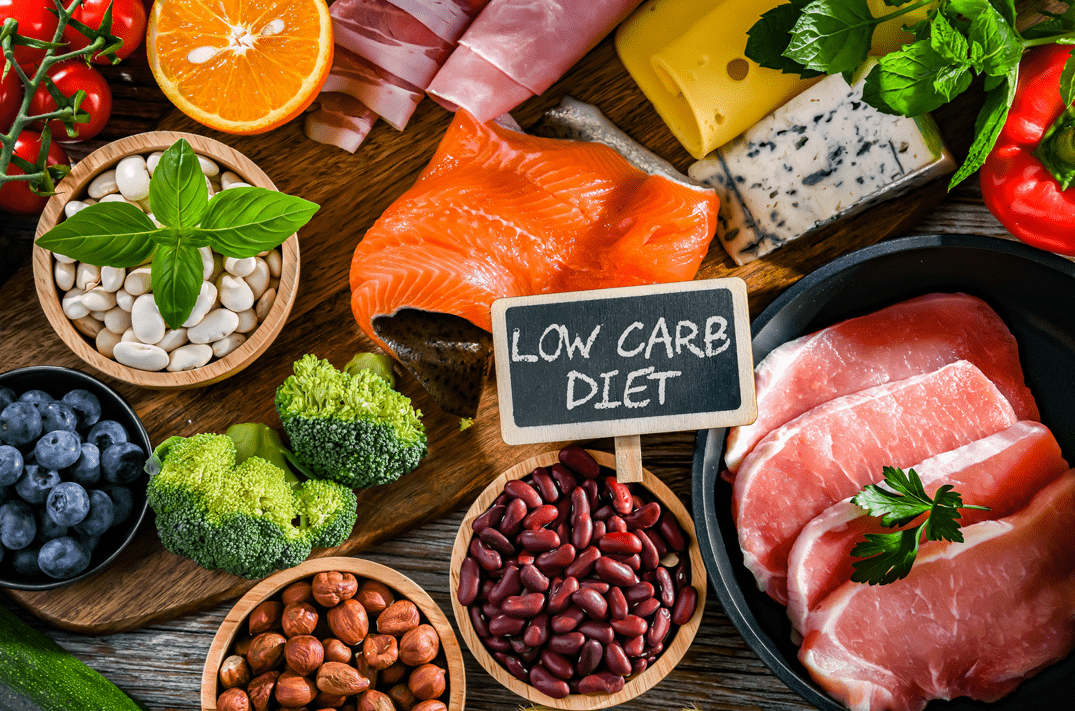
Lower-carb eating can be an effective approach for weight loss, blood-sugar control, and reducing cravings — but it can also become overly restrictive if not planned properly. A balanced lower-carb diet should still provide enough energy, fibre, protein, micronutrients and satisfaction so you feel well, not deprived.
Here’s how to do it safely and sustainably.
1. Focus on quality carbs, not just “low carb”
You don’t need to cut carbs completely — you just need to choose the right ones.
Balanced lower-carb eating includes:
- Vegetables (non-starchy + some starchy)
- Fruit (berries, citrus, apples, stone fruit)
- Wholegrains in smaller portions (oats, quinoa, brown rice)
- Legumes (chickpeas, lentils, black beans)
These supply fibre, vitamins, antioxidants and steady energy.
Avoid: cutting out all carbs → leads to fatigue, constipation, cravings and binge-restrict cycles.
2. Prioritise protein at every meal
Protein keeps you full, supports muscle mass, and stabilises blood sugar — all crucial during weight loss.
Aim for 25–35 g protein per meal, e.g.:
- Chicken, fish, turkey
- Eggs
- Greek yoghurt
- Legumes
- Lean red meat
- Tofu/tempeh (if included)
- Protein powders as needed
Tip: Combine protein + fibre for the best appetite control.
3. Fill your plate with non-starchy vegetables
Vegetables are low in carbs but high in fibre, volume, antioxidants and vitamins.
Aim for ½ your plate as colourful vegetables such as:
- Broccoli
- Zucchini
- Capsicum
- Spinach
- Green beans
- Cauliflower
- Mushrooms
- Cucumber
- Tomato
They increase fullness without adding many calories or carbs.
4. Include healthy fats
Lower-carb diets naturally rely on dietary fats — but balance matters.
Choose mostly:
- Extra virgin olive oil
- Avocado
- Nuts and seeds
- Oily fish (salmon, tuna, sardines)
Healthy fats help with satiety, hormone balance and nutrient absorption.
Avoid: replacing carbs with large amounts of processed meats, butter-heavy meals or high-sodium snacks.
5. Keep fibre high
Going low carb often means fibre drops, which leads to constipation, bloating and reduced gut health.
Maintain fibre through:
- Vegetables
- Fruit
- Legumes
- Nuts & seeds
- Wholegrains (in smaller, planned portions)
Aim for 25–30 g fibre daily.
6. Avoid going too low
Very low-carb or extreme ketogenic diets can:
- Reduce exercise performance
- Lead to nutrient deficiencies
- Lower metabolic rate
- Trigger binge eating
- Disrupt hormones in some women
A moderate lower-carb approach is safer and more sustainable for most people.
7. Don’t forget portion balance
Even on low-carb diets, overall energy still matters for weight loss.
A simple plate guide:
- ½ plate veggies
- ¼ plate lean protein
- ¼ plate wholegrain/starchy carb or extra veg
- Add 1–2 tablespoons healthy fats
This keeps nutrients balanced and prevents overeating fats or protein.
8. Consider timing and consistency
Lower-carb diets work best when meals are:
- Regular
- Balanced
- Spread evenly across the day
Skipping meals often leads to overeating later, cravings, or blood-sugar crashes.
9. Supplements aren’t a replacement
You shouldn’t need supplements if your diet is balanced — but some people may require:
- Vitamin D
- Omega-3
- Magnesium
- Fibre supplements (if fibre intake is low)
Always check with a dietitian before adding supplements.
10. Work with a dietitian for personalised balance
A dietitian can help tailor a lower-carb plan that fits your lifestyle, food preferences and health needs, including:
- IBS or gut issues
- Diabetes or insulin resistance
- High cholesterol
- PCOS
- Weight-loss plateaus
- Vegetarian or dairy-free diets
- Avoiding nutrient deficiencies
They ensure the diet is balanced, sustainable and safe — not restrictive or overwhelming.
Ready to Build a Balanced Lower-Carb Diet That Actually Works?
Lower-carb eating can absolutely support weight loss — but only when it’s balanced. Think protein + fibre + healthy fats + smart carbs, rather than cutting out entire food groups. With the right structure (and the right support), a lower-carb diet can improve energy, stabilise appetite, manage blood sugar and make weight loss more sustainable.
If you want a personalised approach instead of guesswork, a dietitian can help you create a lower-carb plan that’s nutritious, satisfying and tailored to your lifestyle.
At The Nutrition Spot, we specialise in evidence-based weight-loss nutrition, hormone health and lower-carb strategies that deliver long-term results — not restriction.
Book your consultation today and get a lower-carb plan that truly fits your life.
