

Reducing Inflammation: How a Dietitian Can Help You Feel Better From the Inside Out
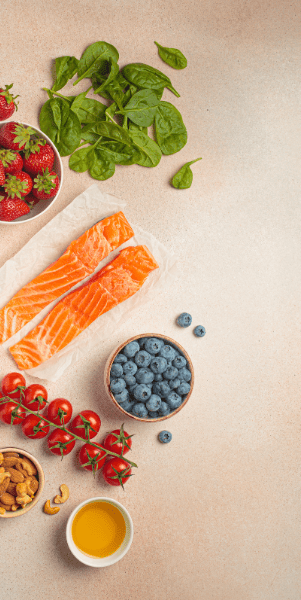
Top Fertility Foods for Women Trying to Conceive
Nutrition plays a powerful role in supporting fertility — from regulating hormones and improving ovulation to nourishing egg quality and reducing inflammation. While there’s no magic “fertility food,” the right dietary pattern can create the best possible environment for conception.
Here are the top fertility-supportive foods based on evidence from the Harvard Fertility Diet, Mediterranean diet, and women’s health research.
1. Extra Virgin Olive Oil
Rich in antioxidants and anti-inflammatory compounds that support hormone health.
Helps stabilise blood sugar and lower inflammation — both important for ovulation.
Add to: salads, roasted veggies, cooking, dips.
2. Oily Fish (Salmon, Sardines, Trout, Mackerel)
Omega-3 fatty acids help reduce inflammation, support blood flow to reproductive organs, and may improve egg quality.
Aim for: 2–3 serves per week.
3. Dark Leafy Greens
Spinach, kale, rocket, broccoli, silverbeet.
Packed with folate — essential for early pregnancy and healthy ovulation.
Include daily in salads, smoothies, omelettes.
4. Berries
Blueberries, strawberries, raspberries are rich in antioxidants that protect eggs from oxidative stress.
Tip: Add a handful to breakfast or snacks.
5. Wholegrains
Oats, quinoa, brown rice, wholemeal pasta, wholegrain bread.
Provide fibre and slow-release carbohydrates that help regulate insulin — a key factor in fertility, especially in PCOS.
6. Legumes (Chickpeas, Lentils, Beans)
Plant-based proteins improve fertility outcomes in research.
High in fibre, iron, folate and slow-burning carbs.
Swap some animal protein for legumes a few times a week.
7. Eggs
A nutrient powerhouse for fertility — high in choline (crucial for early brain development), vitamin D, omega-3s and protein.
2 eggs a day is perfectly fine for most women.
8. Nuts & Seeds
Especially walnuts, almonds, pumpkin seeds, and flaxseed.
Provide healthy fats, zinc, vitamin E and plant-based omega-3s — all linked to hormone and egg health.
Handful daily or sprinkle onto meals.
9. Avocado
Rich in monounsaturated fats, fibre and vitamin E (supports uterine lining and hormone production).
Add to toast, wraps, salads or smoothies.
10. Full-Fat Dairy
Research suggests full-fat dairy may support ovulation better than reduced-fat varieties.
Greek yoghurt, full-cream milk, cheese and cottage cheese offer protein, calcium and fat-soluble vitamins.
(Can be swapped for lactose-free if needed.)
11. Lean Proteins (Chicken, Turkey, Tofu, Fish)
Support healthy hormone production, metabolism and egg development.
Try to choose whole-food proteins over ultra-processed meats.
12. Citrus & Vitamin C-Rich Foods
Oranges, kiwi, strawberries, capsicum.
Vitamin C supports progesterone production and helps improve iron absorption.
13. Iron-Rich Foods
Iron deficiency is common and can affect ovulation.
Include:
- Red meat (1–2×/week)
- Legumes
- Leafy greens
- Eggs
Pair with vitamin C foods for better absorption.
Foods to Limit When Trying to Conceive
Not “off limits,” but reducing these may support hormones and egg health:
- Highly processed foods
- Sugary drinks
- Excess caffeine (keep to <200 mg/day)
- High alcohol intake
- Trans fats (deep-fried foods, pastries, processed snacks)
How a Dietitian Helps With Fertility Nutrition
A dietitian can help you:
- Balance hormones & blood sugar
- Optimise your nutrient stores for conception
- Improve egg quality
- Support PCOS symptoms
- Manage gut issues that affect nutrient absorption
- Build a personalised, fertility-supportive meal plan
- Prepare for IVF or preconception planning
Nutrition can’t guarantee pregnancy — but it can significantly improve your foundation for reproductive health.
Ready to Optimise Your Nutrition for Conception?
Trying to conceive can feel overwhelming — but your nutrition doesn’t have to be. The right foods can support hormones, improve ovulation and nourish egg quality, and personalised guidance makes it even more effective.
Book a consultation with a Women’s Health Accredited Practising Dietitian Today.
