

How to Improve Gut Health: 10 Evidence-Based Dietitian Tips
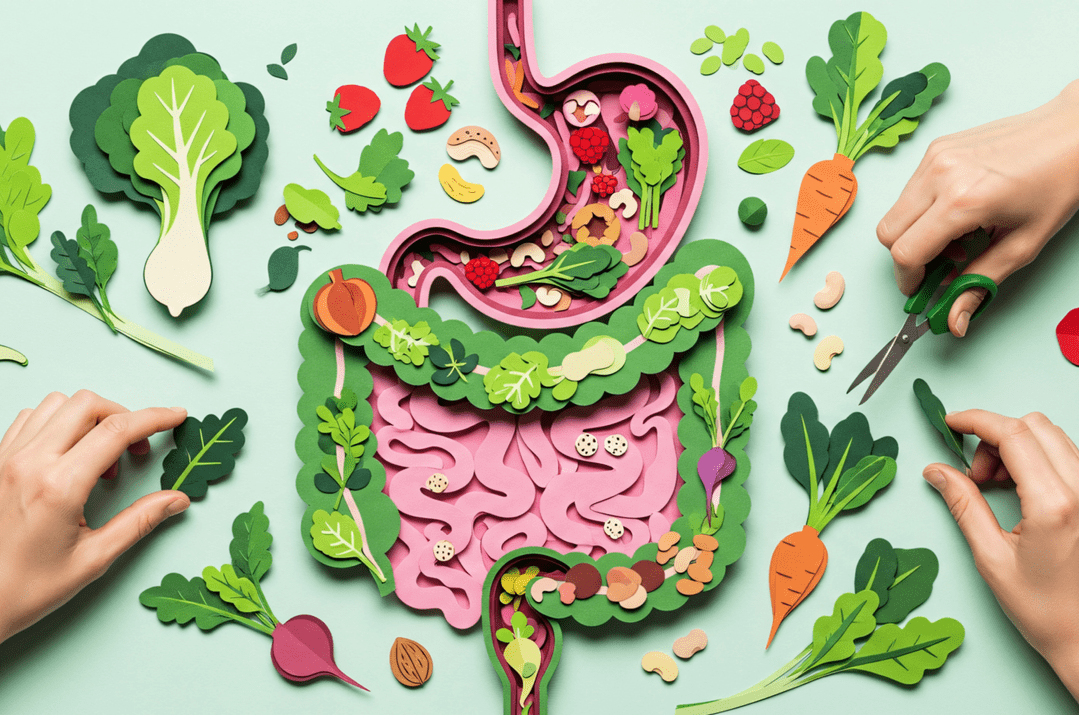
10 Evidence-Based Dietitian Tips for Gut Health
Gut health plays a major role in your digestion, energy, immune system and overall wellbeing — yet many people struggle with bloating, constipation, diarrhoea or ongoing discomfort without knowing why. The good news? Small, evidence-based nutrition changes can make a big difference.
As Accredited Practising Dietitians specialising in gut health, we help people understand their digestive symptoms, identify triggers, and build a personalised plan that supports a healthier, more balanced gut. Here are ten proven, practical ways to improve your gut health today. Improving gut health requires consistent, evidence-based nutrition strategies rather than quick fixes.
1. Eat a variety of plant foods
Different fibres feed different gut bacteria. Aim for 20–30+ plant types per week including vegetables, fruit, wholegrains, legumes, nuts, seeds, herbs and spices.
2. Increase fibre gradually
Boosting fibre too fast can worsen bloating. Add slowly and hydrate well. Good sources include oats, lentils, beans, berries, pears, chia (if tolerated), flaxseed and wholegrains.
3. Prioritise prebiotic foods
Prebiotics feed beneficial gut bacteria. Examples:
- Garlic
- Onion
- Leek
- Asparagus
- Bananas
- Oats
- Chickpeas & lentils
- Cashews
- Wholegrains
Prebiotic fibres have been shown to support beneficial gut bacteria and digestive health (source: Monash University).
4. Include probiotic-containing foods
These add helpful bacteria to the gut. Include:
- Yoghurt with live cultures
- Kefir
- Kombucha
- Sauerkraut
- Kimchi
- Miso
(Note: food-based probiotics are gentle and suitable for most people.)
5. Choose mostly whole, minimally processed foods
Highly processed foods are low in fibre and contain additives that can negatively affect the gut lining and microbiome.
6. Manage stress
The gut–brain axis is real. Chronic stress alters gut motility, increases inflammation and worsens symptoms. Helpful tools:
- Deep breathing
- Light exercise
- Mindfulness
- Adequate sleep
- Reducing caffeine if anxious
7. Drink enough water
Hydration supports digestion, bowel regularity and fibre tolerance. Most people benefit from 1.5–2 L/day, more in hot weather or with exercise.
8. Move your body daily
Gentle movement (e.g., walking, yoga, pilates) stimulates the gut, reduces constipation and supports gut bacteria diversity.
9. Limit alcohol and aim for less caffeine
Alcohol disrupts gut bacteria and can irritate the stomach. Excess caffeine can worsen reflux and diarrhoea for some people.
10. Listen to your body (and get support when needed)
Persistent bloating, abdominal pain, diarrhoea/constipation or food intolerance symptoms are not normal. A dietitian can:
- Identify triggers
- Support IBS management
- Guide fibre, probiotics and supplements
- Create an individualised gut health plan
Wondering If Your Gut Symptoms Are Normal?
If you’re experiencing ongoing bloating, constipation, diarrhoea, abdominal discomfort or food intolerance symptoms, it may be a sign your gut needs extra support. A dietitian can help you:
- Identify what’s triggering your symptoms
- Manage IBS and other gut conditions
- Choose the right types and amounts of fibre
- Use probiotics and supplements safely
- Build a personalised gut health plan that works for your body
Gut health support from a dietitian
At The Nutrition Spot, we specialise in evidence-based gut health support to help you feel better from the inside out.
Book your consultation today and get personalised guidance for a healthier, happier gut.
