

What to Eat for Endometriosis: A Dietitian’s Guide to Reducing Inflammation & Supporting Hormones
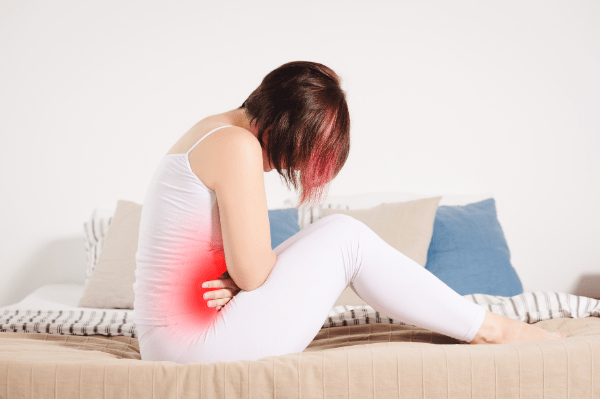
Endometriosis Nutrition: What to Eat to Reduce Inflammation
Endometriosis is a chronic inflammatory condition that affects around 1 in 9 Australian women, and endometriosis nutrition plays an important role in managing symptoms. While diet can’t cure endo, the right nutrition can help reduce inflammation, improve gut symptoms, support hormone balance, and ease day-to-day pain and fatigue.
Here’s what the research — and clinical experience — tells us about how food can support endo management.
Endometriosis Nutrition: Key Dietitian Strategies
Evidence-based endometriosis nutrition focuses on reducing inflammation, supporting hormones, and improving gut health.
1. Prioritise an anti-inflammatory diet
Endo is strongly linked to inflammation, so focusing on anti-inflammatory foods can help reduce pain and flare-ups.
Eat more of:
- Extra virgin olive oil
- Oily fish (salmon, sardines, trout, mackerel 2–3×/week)
- Nuts & seeds (walnuts, almonds, flaxseed, chia)
- Colourful fruit & vegetables (berries, leafy greens, capsicum, tomatoes, broccoli)
- Legumes (lentils, chickpeas, beans)
- Herbs & spices (turmeric, ginger, garlic-infused oil)
These foods supply antioxidants and omega-3s that help calm inflammation. Anti-inflammatory dietary approaches are commonly used to support symptom management in endometriosis (source: Endometriosis Australia).
2. Choose fibre-rich foods for hormone balance
Fibre helps the body clear excess oestrogen — important because many women with endo experience oestrogen-driven symptoms.
Include:
- Wholegrains (oats, quinoa, brown rice)
- Vegetables (aim for 4–5 cups/day)
- Fruits
- Legumes
- Nuts and seeds
This also supports bowel regularity, which can ease bloating and pelvic discomfort.
3. Support gut health
Gut issues are extremely common in endometriosis — bloating, constipation, diarrhoea, food sensitivities and SIBO-like symptoms.
Eat:
- Probiotic foods (yoghurt, kefir, kombucha, sauerkraut)
- Prebiotic fibres (oats, bananas, legumes, nuts)
- Plenty of water
- Regular meals
- Anti-inflammatory fats
A dietitian can help navigate whether a low FODMAP or modified FODMAP approach is needed short-term for symptom relief.
Learn more How to Improve Gut Health: 10 Evidence-Based Dietitian Tips
4. Focus on balanced blood sugar
Blood sugar spikes can increase inflammation, worsen cravings, and affect hormone symptoms.
To stabilise blood sugar:
- Eat regular meals
- Add protein to every meal (eggs, chicken, fish, yoghurt, legumes)
- Choose low-GI carbs such as oats, quinoa, sweet potato
- Combine carbs with protein + healthy fats
Balanced blood sugar = better energy, mood, and less hormonal volatility.
5. Reduce foods that worsen inflammation
Endo doesn’t require strict food rules, but many people feel better when reducing:
- Highly processed foods
- Added sugars
- Excess red meat
- Trans fats / deep-fried foods
- High alcohol intake
- Processed meats
- Large amounts of caffeine (can worsen anxiety, sleep and gut symptoms)
It’s about lowering inflammatory load — not cutting everything out.
6. Consider dairy and gluten individually
Not everyone with endo needs to avoid dairy or gluten.
However:
- Some women find gluten reduction reduces pain and bloating.
- Some find dairy swaps helpful for gut symptoms.
A dietitian can trial this safely, ensuring your diet stays nutritionally complete.
7. Support energy, iron & nutrient stores
Many women with endo experience heavy periods, leading to:
- Low iron
- Low vitamin D
- Fatigue
- Poor recovery
Include foods like:
- Lean meats, eggs, legumes
- Leafy greens
- Fortified cereals
- Vitamin C-rich foods with iron sources (capsicum, berries, citrus)
A dietitian may also recommend blood tests for iron, B12, vitamin D and inflammation markers.
8. Build gentle, sustainable habits
Small, daily habits often make the biggest difference:
- Eat every 3–4 hours
- Choose wholefoods most of the time
- Include a protein + fibre at each meal
- Prioritise hydration
- Plan meals to reduce stress (which worsens pain)
How a Dietitian Can Support Endometriosis Through Nutrition
Here at The Nutrition Spot, our women’s health dietitian can help you:
- Reduce inflammation through personalised nutrition
- Improve gut symptoms (bloating, constipation, diarrhoea)
- Trial low FODMAP or gluten/dairy modifications safely
- Stabilise blood sugars
- Manage weight changes
- Support hormone balance
- Prevent nutrient deficiencies
- Build realistic, sustainable eating habits
You deserve clear, personalised support — not restrictive or confusing advice.
Nutrition can’t cure endo, but it can help reduce inflammation, improve gut symptoms, balance hormones, and support overall wellbeing.
With the right diet and guidance, many women experience less pain, better energy, and more predictable digestion.
Endometriosis nutrition support from a Women’s Health Dietitian
Ready to feel more in control of your endo symptoms?
Struggling with pain, bloating or unpredictable flare-ups? You don’t need to figure it out alone. The right nutrition can make a real difference — and personalised support helps you get there faster.
